Commercial Waste in Gerrards Cross for organised, lawful business disposal

Commercial waste in Gerrards Cross needs a practical service that keeps business premises clear while handling rubbish in a way that is suitable for mixed, recurring and one-off loads. Our work covers the collection and removal of common trade waste streams, with straightforward arrangements for offices, shops, managed premises and other commercial settings that need rubbish taken away without disruption. The aim is to give you a dependable route for disposal, from general business rubbish through to more specific items that need careful sorting and transfer.
We handle collections where the load has been separated in advance, as well as situations where the waste has built up across several parts of a site. If you are comparing options, clarity about the type of waste matters more than guesswork, because different materials can require different handling. You can use the service for routine clearances, end-of-project rubbish and unwanted items that should not stay on site any longer than necessary. If you need a quotation, send the key details and we can discuss the right approach.
For a simple starting point, tell us what needs removing, how much there is and whether access is straightforward. That information helps shape the collection plan and avoids unnecessary delays. You do not need to prepare everything perfectly before enquiring; an approximate description is often enough to begin. If you are planning a larger clearance, gather a short list of the main waste types and note any restricted items so the job can be assessed properly. A clear description is usually the best foundation for a sensible quote.
Business waste removal arranged around daily operations
Business waste removal is often about timing as much as volume. Offices, hospitality premises, retail units and shared workplaces all produce different rubbish streams, and the service needs to fit around opening hours, stock movements and staff access. We deal with waste that has built up gradually, as well as a single clearance after an office move, reorganisation or refurbishment. The goal is to remove materials efficiently while keeping the process orderly and manageable for the people on site.
Commercial loads can include packaging, paper, broken fixtures, general refuse and outdated items that no longer belong in the working area. Some businesses prefer a regular pattern of removals, while others only need occasional help when storage space becomes tight. Sorting the material sensibly before collection can make the process quicker and more precise, especially when you have a mixture of recyclable and non-recyclable items. For businesses that want a clearer breakdown of service and cost, our pricing and quotes page gives a useful starting point.
What this type of clearance can cover
The service is suitable for many routine business waste tasks, including removal from back rooms, storage areas, plant rooms and desk areas. It is also useful where bulky rubbish has built up after seasonal stock changes or office rearrangements. Typical jobs may involve loose waste, packaging, furniture that is no longer needed, and items that are too awkward for everyday bins. When the load contains different materials, the collection can be planned so that the waste is handled in a more orderly and compliant way.
Office clearance for working spaces, storage rooms and equipment

Office clearance often calls for careful attention to both space and contents. Desks, chairs, filing units, cupboards, monitors, accessories and general office rubbish may all need to be removed at the same time, and the work is easier when the items are identified in a sensible order. We provide clearance support for workplaces that are being reduced, reorganised or emptied before a move. Where practical, items can be removed in stages so that active parts of the office remain usable for as long as possible.
Many offices also need help with materials that are not ordinary bin waste, such as obsolete hardware or confidential paperwork awaiting shredding. In those cases, the best plan is usually to separate what is to be destroyed, recycled or taken away as general waste. If your requirement includes document handling, our confidential shredding page is available for more detailed information. That keeps the main clearance focused and helps you decide which items belong in each part of the job.
The service can be adapted to different layouts and access points, from small suites to larger shared premises. If goods are still in use, it helps to mark what is staying and what is going, especially in rooms with mixed storage. Some clients prefer to remove only surplus items; others want an almost complete emptying of the area. Either way, the practical task is the same: identify the load clearly, then remove it with minimal disruption. That approach keeps office clearance straightforward and easier to schedule.
Furniture disposal and bulky item removal
Commercial furniture disposal is useful when items are no longer fit for purpose but are still too large or awkward for ordinary refuse routes. Desks, tables, storage units, reception seating, cabinets and meeting-room furniture can all require planned removal. We take away bulky items from business premises and help separate what can be passed into the right waste stream from what needs other handling. This is particularly relevant where a site is being refreshed, sublet, reconfigured or emptied ahead of new use.
If you are replacing furniture in stages, it is often best to remove the old items once the new delivery is confirmed, so the site does not become congested. Heavier pieces may need the clearest access route, especially where stairways, lifts or narrow corridors are involved. For a more specific furniture-only service, see our furniture disposal page, which sits alongside our broader clearance work. The same practical approach also applies to standalone bulky item removal, where space management is often the main challenge.
Items that often need separate handling
Not every large item is treated in the same way, so a useful quotation depends on what the furniture is made from and how it is positioned. Mixed-material items may need separating before transfer, and some fittings can include components that require extra care. Where the load includes office fittings, reception units or domestic-style furniture from commercial premises, the right preparation is simply to list what is present and note any access restrictions. That gives a more accurate basis for the work.
Builders waste clearance after fit-outs, refurbishments and light works
Builders waste clearance is designed for commercial sites where work has produced rubble, packaging, offcuts and mixed debris. Offices, shops, units and shared premises may all generate this type of load after refurbishment, partition changes, fixture replacement or decoration. We remove common construction-related waste that has been left behind after the job is complete or paused. This can be particularly useful where the site needs to return to normal use quickly and the leftover material is blocking progress.
The exact load matters, because building-related waste can include both inert and mixed materials, and the collection needs to be planned accordingly. Examples may include timber offcuts, broken boards, packaging, tiles, bagged debris and redundant fittings. For more detail on this area of work, our builders waste clearance page is available. Where the waste is mixed with general business rubbish, it is often simplest to group the items by type before the collection takes place.
In many cases, the value of the service lies in removing the leftover material in one organised visit rather than leaving it to be dripped away over several days. That keeps access clear for cleaners, decorators and other trades. It also makes it easier to hand a site back in a usable condition. If some items are too heavy or awkward to move safely without planning, it is sensible to mention that when requesting your quotation so the work can be assessed properly.
Specialist disposal for appliances, mattresses and other awkward items

Some commercial clearances include items that are awkward because of size, weight or the way they must be processed after collection. Refrigerators, freezers, appliances and similar equipment can call for a more specific route than ordinary rubbish. Our removal service covers a range of bulky items that businesses sometimes need to dispose of when replacing stock, closing a room or clearing a storage area. Keeping these items separate from general waste helps the job run more smoothly.
Where an item is unsuitable for standard disposal, the key point is to identify it early. For appliance-related clearances, our fridge and appliance removal page provides a dedicated route. For larger upholstered items and mattresses from commercial accommodation, managed properties or staff areas, our mattress and sofa disposal page is also available. Using the correct service page helps keep the enquiry specific and avoids confusion over what is being removed.
These items are often easier to deal with when they are listed separately from ordinary office or shop rubbish. If your clearance contains a mix of furniture, appliances and general waste, the collection plan can reflect that mix rather than forcing everything into one vague description. When you send an enquiry, it is useful to note whether the items are loose, stacked or still in position. That simple detail can make the quotation more accurate and the removal more orderly.
Garage, loft and home-style clearances for commercial premises
Not every commercial property is a standard office. Some businesses operate from converted buildings, mixed-use premises, upper floors or storage spaces that behave more like domestic areas than workrooms. In those cases, garage, loft and general home-style clearances can still be relevant when the aim is to remove accumulated clutter, old stock or unused equipment. We handle these jobs in a way that keeps the clear-out organised and suitable for the type of room involved.
If the waste is concentrated in a roof space, side room or storage garage, it may contain a mixture of paperwork, boxed goods, furniture, fixtures and miscellaneous rubbish. For a more specific route to these types of spaces, our loft clearance and garage clearance pages provide dedicated options. That can be useful where access, weight or sorting needs differ from a standard business clearance. It also helps to keep the enquiry focused on the actual space to be cleared.
Commercial clients sometimes use these areas as overflow storage, so the clearance can be about recovering usable floor area rather than removing one single category of waste. In practical terms, that means assessing what has value, what should be recycled and what is simply in the way. Room by room planning tends to work well here, especially where the contents are mixed and the access is less direct than in the main trading area. A short list of the room contents is often enough to begin a sensible quotation.
Garden, household and property clearances for mixed business sites
Some commercial premises include outdoor space, staff facilities or ancillary buildings that need clearance alongside the main trading area. Garden clearance can be relevant for managed properties, guest accommodation, hospitality settings and other sites where external waste builds up over time. We remove garden-related rubbish and general outdoor clutter so that paths, yards and planted areas are easier to maintain. The service is useful where old materials, broken items and green waste have all been left in the same place.
Where a business operates from a property with more domestic features, our garden clearance, house clearance and home clearance pages may be relevant depending on the type of area that needs attention. These pages help distinguish between different kinds of clearance so the removal can be matched to the site conditions. If your premises combine trading space with living quarters or caretaker rooms, it is worth describing the layout clearly before the work is arranged.
When mixed-use properties need a practical approach
Mixed-use properties often produce a wider spread of waste than a single-purpose unit. For example, outdoor storage may contain garden material, packaging, broken household items and old fixtures all at once. The best approach is usually to keep the categories distinct where possible, because that makes the removal more orderly and the quotation easier to judge. If the site includes outdoor access, note whether the waste is near the entrance or deeper in the grounds, as that affects the collection plan.
Hazardous waste, safety and controlled handling

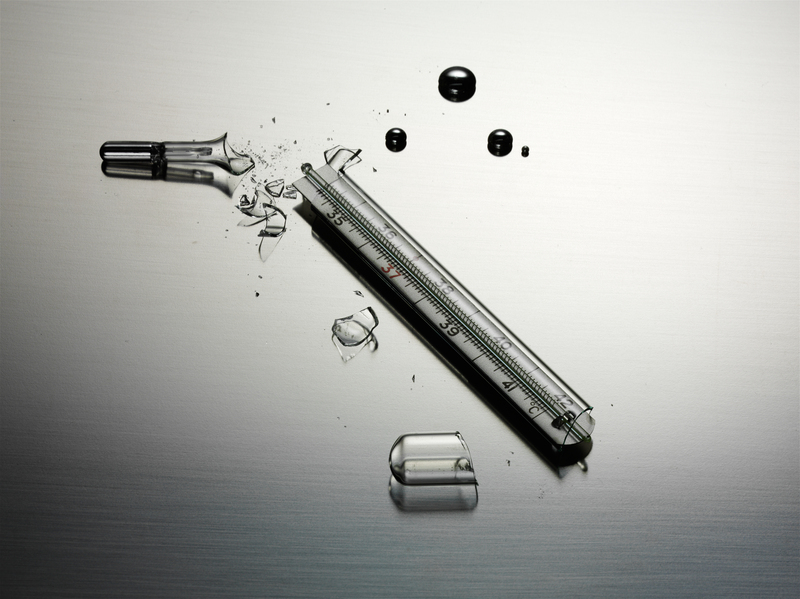
Some commercial waste should not be treated as ordinary rubbish. Materials that are hazardous, contaminated or otherwise restricted need careful identification before collection, because they may require separate handling and disposal routes. Our service includes a dedicated route for those situations, but only where the waste is suitable for the relevant process and described accurately in advance. Clear information is important here, because the wrong assumption can affect how the waste is managed.
For more specific information, our hazardous waste disposal page gives a clearer indication of this service area. We also provide details on our insurance and safety and health and safety policy pages for clients who want to understand the framework around careful working practices. These pages do not replace proper waste identification, but they do show where to look for supporting information before a clearance is confirmed.
Where a site contains mixed rubbish and items of uncertain nature, it is better to describe the material plainly than to use a broad label that leaves room for error. That applies especially to waste from workshops, maintenance areas and storage rooms where chemicals, sharps or specialist residues might be present. A concise, honest description allows the right plan to be set out from the start, which is more useful than over-promising a one-size-fits-all collection. If any item is unclear, mention it in the initial enquiry rather than leaving it out.
Recycling, sustainability and what happens to collected waste
Recycling is an important part of commercial waste management, especially when a clearance includes paper, cardboard, metals, plastics, furniture components or reusable equipment. Not everything can be treated the same way, so the goal is to direct suitable materials into the correct route wherever practical. We also provide a recycling and sustainability page for clients who want to see how this topic is approached in more detail. That can help when a business wants disposal that is more structured than a simple one-bin solution.
Some clearances produce mixed loads that require sorting after collection, while others are easier because the material has already been grouped. In either case, the service is aimed at making the process manageable rather than leaving the client to guess how each item will be treated. Responsible removal begins with accurate identification, then continues through separation, loading and transfer. That is especially useful where a business wants to clear space while keeping the waste handling process straightforward and sensible.
For many clients, the main decision is not whether waste exists but how much effort is needed to move it into the right path. If you already know what is being removed, mention the proportions of cardboard, furniture, general rubbish and any other notable materials. If you do not know exactly, a rough outline is still enough to begin. Our aim is to provide a usable clearance route that matches the load rather than forcing the material into an unsuitable category.
How to request a quotation for commercial waste in Gerrards Cross

A clear quotation starts with a plain description of the waste, the location within the premises and any access issues that may affect removal. It is often helpful to note whether the load is ready at ground level, spread across several rooms or still mixed with items that will remain on site. If you have photographs or a simple inventory, they can support the conversation, but they are not essential before making the first enquiry. The key is to give enough detail for the job to be assessed honestly.
When discussing cost, the main factors are usually the amount of waste, its type, the ease of access and whether specialist handling is needed. A tidy stack of boxes will be different from a mixed clearance containing furniture, appliances and restricted material. If you want to compare service routes first, you can also review our business waste removal and waste removal pages to see which description best fits your needs. That helps keep the request focused and reduces back-and-forth.
For a quotation, contact us with the basics and we will take it from there. If you are ready to move ahead, send the outline now and ask for a price for the work. It is better to describe the waste simply and accurately than to use broad terms that could hide important details. Request your quotation today and let us know what needs clearing.